Realistic Goals Lead to Better Activity Habits
For anyone, some activity is better than none. By starting at a pace that is a little challenging for you, whether it’s adding a l0-minute walk to your day or working up to an hour of walking a day, you can get stronger and reduce your cancer risk.
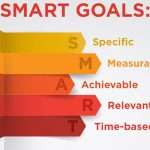
Setting goals – even small ones – is essential to making physical activity part of your daily routine. Set a goal for a week, write down the physical activity you do for how long, how vigorously, where and when. Afterward, you’ll be able to judge what activities work best for you. Use the “SMART” system. The letters stand for:
Specific: A specific goal describes exactly what you must do to reach your goal. What will you do to be more active?
Measurable: A measurable goal allows you to track your progress. How often will you be more active?
Achievable: A goal can be as high as you want it to be, but make sure you know it is possible. Will that type of activity be something you can do now?
Realistic: Goals should be realistic considering your resources and time. How can you fit your goal into your budget and schedule?
Timely: Give yourself a specific time frame. When do you aim to reach your goal?
A SMART goal example would be: “I will take the stairs instead of the elevator 3 times per week over the next month.”
More ideas are:
Take a 5 minute activity break once every hour during the day, even if it’s just standing to stretch your legs.
Stand up and pace while you’re talking on the telephone.
Before or after a meal, take a 15 minute walk. Offer to walk a neighbor’s dog.
Lift hand-held weights anytime you’re sitting, even while you watch TV.
Borrow a beginner’s exercise video for stretching, aerobics or tai chi from the library and try it out at least once this week.
At least two days this week, spend 15 minutes doing some form of aerobic exercise, like brisk walking, vacuuming, bicycling, rowing, swimming laps or following a low-impact aerobic exercise video.
At least two days this week, spend at least 15 minutes doing some form of strengthening exercise, that may include: lifting free weights or doing resistance band exercises, doing wall push–ups or doing sit-ups.
Get social smart – You may feel more motivated with a friend or neighbor to walk or cycle with. Or consider a club for hiking, boating, cycling, dancing, and walking. All offer ways to become more active. American Institute for Cancer Research – Winter 2016 Issue 130